by Mario Juárez Sánchez, Romance Languages
Nowadays, Artificial Intelligence is regarded as the center of a great controversy in academia. We have many examples of how students use these tools to complete their essays. Tools such as ChatGPT have been demonized for this reason, but have we ever taught students how to use them to help them and not to write their essays? Do we address this problem in class? Due to AI tools’ possibilities, we should teach students how to implement them to improve their writing. As their professors, we should promote a productive stance towards AI by making them understand that AI is not a shortcut but another instrument to enhance their writing process.

Teachers and professors have enhanced their classes with AI by creating their curriculum materials with ChatGPT (Lowien & Thomas, 2023), increasing students’ autonomy as learners by providing corrective feedback (Linggle Write), and word selection, organization, and word in contexts (Linggle Search) (Hsiao & Chang, 2023). The common denominator in the use of AI has been to clearly understand the course’s goals and how to implement AI in the class. Therefore, both professors and students must learn the possibilities of these tools. And not just decide to demonize them and avoid and prohibit them in our classes. For professors to implement AI in their classes and make students use it beneficially, they would have to put great effort into doing research and attending workshops to teach their students efficiently. Ignoring AI would be like surrendering to it and letting students use these tools with wrong intentions.
AI could help develop our students as writers when they learn how to interact with AI. It should be our job to model these interactions in order to keep their work ethical and practical. If they are taught how to interact with an AI appropriately, they can have extra help to become better writers. AI can help them structure their work by providing outlines, templates or standards conventions. Moreover, Artificial Intelligence can provide feedback and scaffolding. Chatbots can give feedback on coherence, wording, and alternate phrasing if used correctly. Once again, students are individuals in development, and if they do not have the correct information on how to do or use something, we, as professors, cannot expect them to know it inherently.
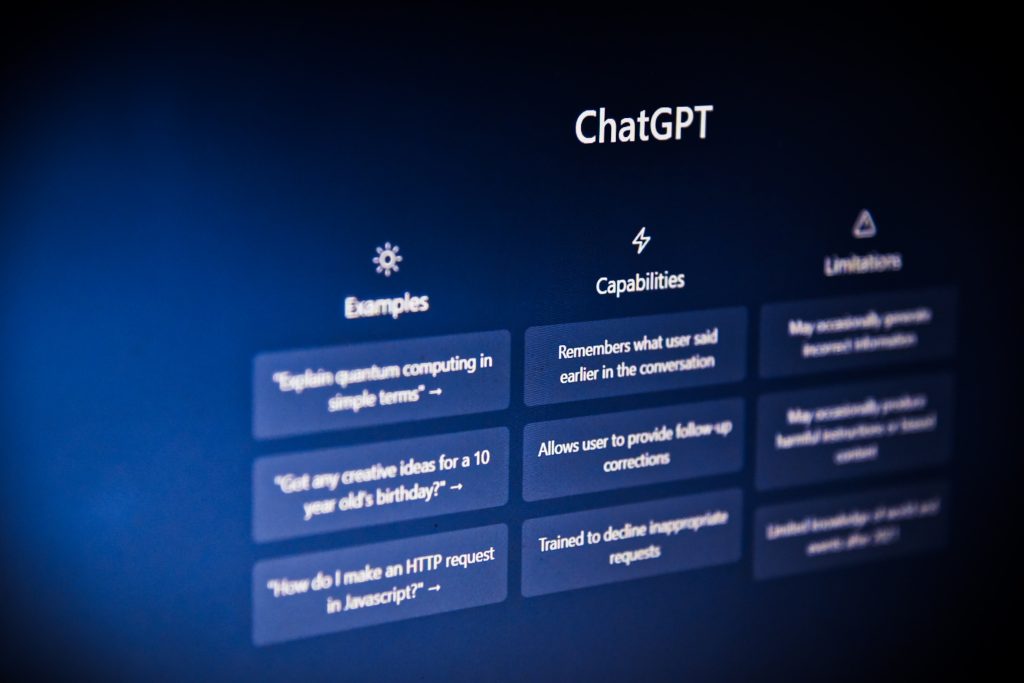
In this blog, I have tried to give another perspective regarding the use of AI. Their implementation has to be guided by the professor, or at least they must address the elephant in the room. Talking to students in writing-intensive courses about our policy about using AI, how they can use it, and what is unethical will help them understand that it is just a tool instead of their ghostwriter. Having all this blog in mind, will all these resources stop students from using AI to write their essays? Probably not, but we still have to educate them and teach them other ways of using it.
References
Lowien, N., & Thomas, D. (2023). Generative AI Writing Tools and the Australian Curriculum: English. Practical Literacy: The Early & Primary Years, 28(3), 26–28.
Hsiao, J.-C., & Chang, J. S. (2023). Enhancing EFL reading and writing through AI-powered tools: design, implementation, and evaluation of an online course. INTERACTIVE LEARNING ENVIRONMENTS. https://doi.org/10.1080/10494820.2023.2207187